Pentagon Rapidly Deploys Tens of Billions in Year-End Defense Spending
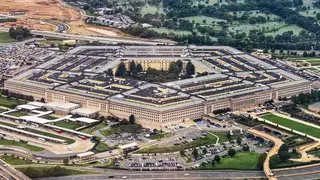
The Defense Department accelerated spending dramatically in the final two months of fiscal 2026, obligating roughly $60 billion from reconciliation funds and other appropriations to avoid automatic sequestration at the fiscal year's end. Congressional sources confirmed the spending spree was unusually intense in speed and scale, with the Pentagon working through its largest discretionary budget in departmental history while also dispersing funds for Ukraine military aid. Combined defense and national security discretionary and mandatory spending for the year exceeded $1 trillion.
The Pentagon faced a fiscal deadline that forced rapid decision-making on how to deploy roughly $156 billion in mandatory defense funds allocated through the prior year's reconciliation legislation. By mid-July, the department had obligated only about one-quarter of these funds, but accelerated its pace dramatically over the following eight weeks to reach approximately 90 percent by fiscal year's end. This urgency stemmed from federal sequestration rules that would have automatically reduced unspent mandatory defense appropriations by 8.3 percent.
Separately, the department also rushed to distribute the final portion of a $400 million Ukraine military aid package in the final week of the fiscal year. Congressional supporters of Ukraine aid had grown frustrated with the slower-than-expected pace of weapons disbursements, particularly for systems like Patriot interceptors. The simultaneous obligation of discretionary and mandatory funds created an unusually compressed spending timeline for the Pentagon's largest annual budget in its institutional history.
This end-of-fiscal-year spending acceleration may reflect broader challenges in defense procurement planning and budget execution. The compressed timeline could signal inefficiencies in how appropriated funds are tracked and deployed, potentially affecting program quality or oversight. Conversely, rapid spending to avoid sequestration may indicate the Pentagon prioritized preserving budgeted resources. The spending patterns could prompt congressional review of reconciliation fund mechanics and whether current defense appropriations processes adequately support long-term strategic planning and international commitments.