Housing Nonprofits Sue Over Trump Administration's Sudden Budget Rescission
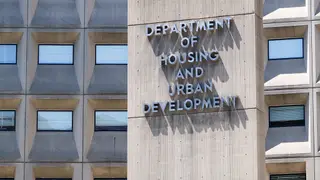
The National Urban League and local housing organizations filed suit against the Trump administration's $810 million cancellation of congressionally appropriated funds, specifically targeting a $56 million cut to housing and counseling programs at the Department of Housing and Urban Development. The complaint argues the rescission violated both the 1974 Impoundment Control Act and constitutional protections, characterizing the administration's interpretation of budget law as an unconstitutional attempt to exercise a line-item veto. The Government Accountability Office has previously determined that the administration's spending cancellations are illegal.
The lawsuit centers on a disagreement over how existing budget law operates. The administration contends that the 1974 Impoundment Control Act permits a president to effectively cancel spending by proposing rescissions near the end of a funding cycle, essentially running out the clock on Congress's ability to respond. The plaintiffs argue this interpretation transforms a procedure meant for presidential proposals into a unilateral spending power, bypassing legislative authority over the federal budget.
The timing of the administration's action highlighted the procedural dispute. With Congress in recess and only days remaining before appropriations would lapse, lawmakers faced practical barriers to reviewing or blocking the proposed cuts. Senate Democrats attempted a last-minute procedural response to prevent similar actions, signaling broader concern about executive authority over appropriated funds.
The outcome could significantly affect the balance of power between branches regarding federal spending. If courts uphold the plaintiffs' position, the administration's approach would be blocked and future executives face constraints on rescission authority. Conversely, if the administration prevails, presidents may gain expanded practical control over congressionally approved funding. Housing nonprofits and their beneficiaries could face program disruptions while litigation proceeds. The ruling may also influence how subsequent administrations approach budget management and congressional appropriations.