Nor'easter Batters Northeast Coast, Killing One and Leaving Thousands in Darkness
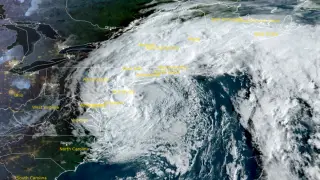
A powerful nor'easter brought destructive coastal flooding, heavy rainfall, and damaging winds across the northeastern United States on September 27, resulting in over 90,000 power outages across six states. A fatal tree-falling incident in Brooklyn claimed one life and injured four others as the storm swept through the region with wind gusts exceeding 95 km/h. Coastal flood warnings remained active along the East Coast as the system continued its slow progression through the region.
The nor'easter affected a six-state area along the Atlantic seaboard, with the heaviest concentration of power disruptions occurring in New York and Connecticut. Wind speeds at multiple airports exceeded 60 mph, with the strongest gusts recorded near major metropolitan areas. The storm's slow movement and stalling pattern near the coast extended its duration, prolonging the period of dangerous conditions through at least September 27.
Tree damage emerged as a particularly hazardous secondary effect, with over 350 fallen trees reported within Brooklyn alone by late evening on September 26. Investigators noted that the combination of saturated soil from heavy rainfall, sustained high winds, and trees still carrying full foliage created conditions conducive to structural failure. This convergence of factors posed ongoing risks to residents and infrastructure as the system persisted.
Nor'easters of this magnitude could strain emergency response systems across multiple jurisdictions and disrupt services for extended periods. Extended power outages may affect vulnerable populations, disrupt transportation networks, and impact business operations across the northeastern corridor. Coastal communities may face property damage from flooding and erosion, while the prolonged tree-fall hazard suggests elevated risks to public safety in urban and suburban areas until the system fully dissipates.