Opinion: Connecticut's Push for Small Modular Reactors Faces Technical and Financial Hurdles
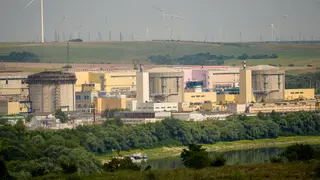
Connecticut officials are promoting small modular reactors (SMRs) as a solution for increasing electricity demand driven by data centers and artificial intelligence, but the technology faces significant challenges. Most companies developing SMRs are startups without nuclear experience or operational reactors, and the lone U.S. SMR design that received regulatory approval saw its demonstration project collapse after costs skyrocketed and investors withdrew. The opinion argues that nuclear power has a poor track record for cost control and timely deployment compared to other energy sources.
Connecticut's state government has invested significant resources in promoting nuclear energy as a climate solution, allocating $5 million for site development and holding multiple educational webinars. The appeal centers on small modular reactors, which developers claim offer advantages like faster construction timelines and reduced safety infrastructure needs compared to conventional nuclear plants. However, the industry remains largely theoretical—only three SMRs operate globally, and none have been successfully built in the United States.
The sector's viability faces serious questions based on recent history. NuScale Energy, the only American SMR design to achieve regulatory approval, abandoned its flagship Idaho project after cost estimates ballooned despite receiving $600 million in federal funding. The company's stock performance has deteriorated sharply, illustrating investor skepticism about the technology's commercial feasibility.
This debate could shape Connecticut's energy infrastructure investments and influence similar policy discussions across New England. If SMRs prove commercially unviable, state funds allocated to nuclear development might represent opportunity costs—resources potentially directed toward renewable alternatives instead. Conversely, if technological advances eventually make SMRs economical, early state support could position Connecticut as a leader in emerging energy infrastructure. The outcome may also affect regulatory precedents and public acceptance of nuclear waste storage solutions nationwide.