Chicago science museum uses interactive exhibits to engage visitors on climate impacts and solutions
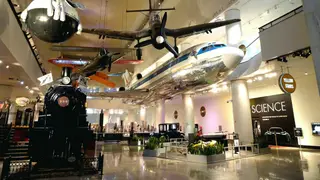
The Griffin Museum of Science and Industry in Chicago features exhibits that educate visitors about renewable energy technologies, residential energy efficiency, and observable climate impacts like glacier retreat. The museum has also integrated climate hazard information into its human body exhibit, addressing how environmental threats such as wildfire smoke affect human health and respiratory systems. According to the museum's leadership, these hands-on learning experiences aim to foster critical thinking and empower visitors to develop their own understanding of climate issues and potential actions.
The Griffin Museum of Science and Industry has incorporated climate education across multiple exhibition spaces. One area focuses on renewable energy sources and methods for reducing household electricity consumption. A separate display presents documented visual evidence of glacial change through time-lapse photography spanning a decade, allowing visitors to observe geological shifts firsthand. The museum has also begun revising its anatomy and physiology exhibit to address environmental health connections, specifically examining how air quality degradation from sources like wildfires affects respiratory function and overall wellness.
Interactive museum exhibits addressing climate science may influence how visitors conceptualize environmental challenges and personal responsibility. By presenting climate information through hands-on experiences rather than passive displays, institutions could encourage deeper engagement with scientific concepts. Such approaches might particularly affect younger visitors developing foundational knowledge about environmental systems. The integration of climate hazards into health-focused exhibits could help audiences draw connections between environmental conditions and immediate personal wellness, potentially shaping how they perceive and respond to climate-related risks in their communities.