Peacock Premieres Animated Ted Series; Barbershop Sequel Heads to Prime Video
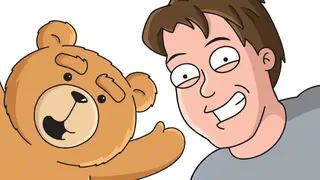
Seth MacFarlane's Ted characters are returning in animated form on Peacock beginning December 17 with eight episodes, reuniting the cast from the films as adult neighbors dealing with family life and poor decisions. Prime Video is launching a Barbershop sequel series on February 10 following Travis Walker as he attempts to honor his grandfather's legacy at the iconic Chicago barbershop. Netflix also released a trailer for Love Is Blind Season 11 set in Boston, premiering October 14 with episodes rolling out through November 4.
The animated "Ted" series represents a strategic expansion of the film franchise across streaming platforms, capitalizing on the established chemistry between MacFarlane and his original castmates. By jumping 12 years forward in the narrative timeline, the show pivots the story's focus toward adult responsibilities and domestic life rather than the bachelor lifestyle of earlier installments. The staggered release schedule—with initial episodes in December followed by additional content in 2027—suggests Peacock's intention to maintain viewer engagement across multiple seasons.
The announcement reflects broader industry trends of adapting successful theatrical properties into episodic television content. The apparent conclusion of the live-action "Ted" prequel series clears narrative space for the animated sequel while demonstrating how streaming services use interconnected projects to build comprehensive content ecosystems that appeal to both longtime fans and new audiences exploring the expanded universe.
These announcements may influence how audiences consume comedy and drama content across competing platforms, potentially affecting subscription decisions. The slate of releases could shape viewing habits during traditionally competitive entertainment periods, particularly with premium series launching across multiple services. Such programming decisions may reflect evolving producer confidence in animated comedy for mature audiences and the commercial viability of adapting film franchises for serialized formats, potentially encouraging similar projects across the industry.