El Salvador schedules 2027 election allowing Bukele to pursue unlimited reelection
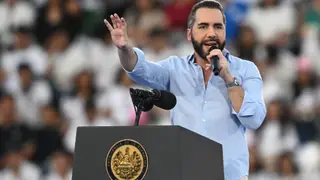
El Salvador's electoral tribunal announced that presidential elections will be held on February 28, 2027, following constitutional changes that eliminated presidential term limits. President Nayib Bukele, who has governed since 2019, is expected to seek a third term that would extend his rule until 2033 under new six-year term lengths. While Bukele has earned support for dramatically reducing gang violence, human rights organizations have documented widespread abuses including torture during his security crackdowns.
El Salvador's constitutional reforms fundamentally altered the nation's political structure by eliminating restrictions that previously limited executives to single terms. This modification enables Bukele to pursue consecutive elections under an extended six-year mandate structure, potentially consolidating power through 2033. The announcement comes amid significant security achievements; gang-related violence has declined substantially under the president's aggressive detention policies implemented since 2022.
The 2027 election will test whether Bukele's security legacy outweighs growing international scrutiny. His Nuevas Ideas party secured his nomination, while traditional political rivals from opposing ideological camps—the right-wing ARENA and left-wing FMLN—have fielded alternative candidates, ending decades of two-party alternation that previously characterized Salvadoran governance.
The election outcome could significantly influence El Salvador's institutional trajectory and democratic norms. Bukele's potential reelection may reinforce executive-centered governance models, while opposition victories could signal public concern regarding concentrated authority. International observers may scrutinize proceedings given documented allegations of detention practices and judicial processes. The result could establish precedent for other Latin American leaders considering term-limit reforms, potentially reshaping regional democratic conventions and human rights frameworks.