Russia Tests NATO Resolve as Baltic States Face Growing Hybrid Threats
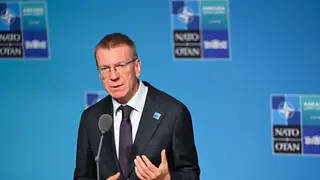
Latvia and other Baltic NATO members face escalating risks from Russian sabotage and proxy attacks, including drone strikes and arson targeting infrastructure and Ukraine's Western supporters. Latvian President Edgars Rinkevics warns that Russian willingness to take provocative action is increasing, testing the alliance's commitment to mutual defense without triggering outright military confrontation. The pattern of attacks suggests Russia is deliberately exploring how far it can push NATO members before triggering Article 5 collective defense responses.
Latvia faces a complex security challenge arising from the ongoing conflict in Ukraine. Stray Ukrainian drones, deflected by Russian jamming technology, have caused damage within Latvian territory, prompting the resignation of the nation's prime minister following incidents in May. To address this vulnerability, Latvia has partnered with Ukraine to deploy specialized drone defense expertise, recognizing that air defense systems alone cannot achieve complete protection against unmanned aircraft threats.
Russia's documented involvement in sabotage operations targeting Ukraine's Western allies—including a failed attack on German airport infrastructure and suspected arson in Estonia—signals a deliberate pattern of testing NATO's response thresholds. Latvian leadership acknowledges that Moscow appears increasingly willing to conduct provocative operations against alliance members, creating a strategic dilemma: how to respond forcefully enough to deter further aggression without crossing the threshold that would trigger formal collective defense obligations.
The escalating hybrid threat environment may strain NATO's unity and decision-making processes. Baltic states could face pressure to either tolerate low-level Russian aggression or invoke Article 5, potentially forcing the alliance into difficult choices about proportional response. European citizens in border regions may experience heightened security concerns and economic disruption from drone defenses and military operations. The situation could also influence public and political support for continued Ukraine assistance, as populations weigh their own security against alliance commitments.