Ethiopia Erupts Back Into Civil War as Regional Powers Risk Involvement
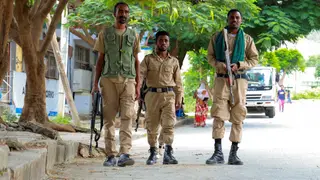
The Tigray People's Liberation Front launched coordinated attacks across Ethiopia's northern regions, signaling the resumption of civil conflict four years after a devastating two-year war that killed approximately 600,000 people. The TPLF has formed a coalition with six other armed groups challenging the federal government, with fighting already spreading into neighboring Afar and Amhara regions as pro-government forces mount a counter-offensive. Analysts warn that the renewed conflict could rapidly draw in neighboring countries and regional powers, compounded by El Niño weather patterns threatening to spark a humanitarian catastrophe.
The current hostilities mark a dramatic escalation from months of military positioning along the Sudan-Ethiopia border. A coalition of seven armed groups now challenges the federal government, with fighting already spreading beyond Tigray into adjacent regions. The breakdown stems from the 2022 peace agreement's implementation: while some TPLF negotiators accepted positions in a transitional administration, hardline factions viewed the accord as exclusionary. The situation deteriorated further when Ethiopia's electoral commission barred the TPLF from participating in national elections, prompting the organization to dissolve the interim government structure in May.
Regional dynamics complicate the conflict significantly. Eritrea's shifting allegiances represent a critical wildcard—having fought beside Ethiopian federal forces in the previous war but now increasingly aligned with the TPLF as relations between Eritrea and Ethiopia's government have deteriorated. This realignment could fundamentally alter the military balance.
The resumption of large-scale fighting could destabilize the entire Horn of Africa region and trigger broader humanitarian suffering. Millions may face food insecurity if El Niño disrupts agricultural production while conflict prevents aid distribution. Neighboring countries could become drawn into the conflict, potentially stretching regional resources and deepening existing tensions. Internally displaced populations and refugee flows may strain Chad, Sudan, and other border nations. The conflict may also undermine diplomatic efforts elsewhere in Africa and complicate international efforts on continental governance issues.