Record-Breaking Atlantic Calm: First Season Without Hurricanes Through September
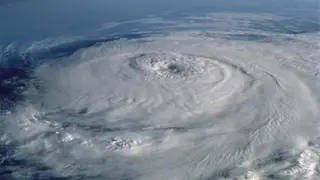
The 2026 Atlantic hurricane season has achieved an unprecedented milestone by producing zero hurricanes through the end of September, breaking a streak that extends back to the beginning of reliable meteorological records. An exceptionally strong El Niño weather pattern is responsible for the unusual suppression, creating persistent wind shear and downward air motion that prevents tropical cyclone formation in the Atlantic. The same El Niño phenomenon simultaneously supercharged hurricane activity in the eastern Pacific and gave Hawaii one of its busiest hurricane seasons on record.
The 2026 Atlantic season marks a dramatic departure from centuries of weather records. The phenomenon responsible—an exceptionally intense El Niño event—operates through global atmospheric circulation patterns. Warm Pacific waters shift eastward, altering heat distribution in the atmosphere and consequently changing wind patterns across the Atlantic basin. This creates two simultaneous suppressive conditions: increased wind shear that tears apart developing storms, and persistent downward air motion that prevents tropical systems from organizing.
Meteorologists acknowledge genuine surprise at the magnitude of this suppression. While forecasters anticipated reduced Atlantic activity due to the strong El Niño, the complete absence of hurricanes through September exceeded expectations. Tropical Storm Fay briefly approached hurricane intensity in late September but fell short of the 74-mph threshold under official measurement standards, potentially leaving the record intact through the season's conclusion in late November.
This unprecedented calm may have mixed implications for Atlantic coastal populations. Historically quiet seasons reduce immediate hurricane threat and associated property damage, insurance claims, and evacuation costs. However, the shift in storm activity to the Pacific means Hawaii and western regions face elevated risk. Additionally, if such extreme El Niño patterns become more frequent due to climate trends, communities may need to reassess long-term hurricane preparedness strategies and resource allocation across different coastal regions.