Pentagon Focuses on Electromagnetic Spectrum Dominance for Modern Warfare
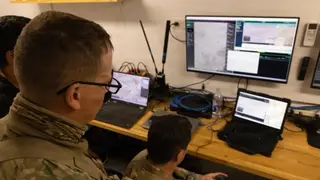
A retired Army general argues that military leaders must prioritize electromagnetic spectrum operations as critically as they once dominated night-vision advantages, given the increasingly contested electronic warfare environment on modern battlefields. Advanced communications connectivity and spectrum awareness are now essential for tactical decision-making as forces deploy far more networked sensors, unmanned systems, and command nodes than in previous conflicts. Electronic warfare defenses and resilient communications across multiple layers are becoming central to battlefield superiority.
The shift toward networked battlefield systems represents a dramatic expansion in operational complexity compared to previous conflicts. Where military forces once relied on limited communication channels like point-to-point radio and occasional satellite links, modern warfare integrates vast numbers of sensors, unmanned vehicles, individual personnel, and command centers into interconnected systems. This transformation dramatically increases both tactical awareness and vulnerability, as every connected device creates potential points of electronic attack or detection.
The concept of spectrum dominance parallels earlier technological advantages that shaped military strategy. Just as night-vision technology provided decisive operational benefits in Iraq and Afghanistan, military planners now argue that controlling electromagnetic operations—through detection, resilience, and adaptive maneuvering—has become equally fundamental. This requires developing comprehensive capabilities in spectrum awareness, communications that can withstand interference, and the flexibility to shift operations as adversaries attempt disruption.
Pentagon focus on spectrum dominance may influence defense procurement priorities, technology development investments, and training doctrines across military branches. Military readiness against technologically advanced adversaries could depend on successfully implementing these capabilities. The broader civilian telecommunications sector might also face secondary effects through shared spectrum resources and infrastructure demands. How effectively the military addresses these challenges could shape both strategic military capabilities and the technological landscape of future conflicts.