Google Home Gains Noise-Canceling Voice Recognition in Latest Update
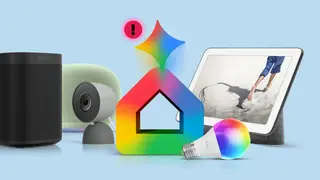
Google has released a new update to Google Home and Gemini for Home that improves their ability to understand voice commands even in noisy environments. The update also reduces response latency for routine tasks like setting alarms and timers, and enhances multilingual support for households using up to three languages. Additionally, Gemini for Home now better handles custom commands in Routines by treating written commands as direct voice input.
Google's latest update addresses a significant challenge for voice-activated smart home devices: the difficulty of understanding commands in loud or chaotic environments. By implementing noise-canceling voice recognition technology, the company aims to make its speakers more practical for real-world conditions where background noise from television, conversation, or household activity might previously have interfered with command recognition.
The update also streamlines performance for frequently used functions. Setting timers and alarms now processes faster, while the improved handling of custom routines makes automation sequences more dependable across multilingual households. Additional refinements to the Google Home app itself target specific technical issues with camera feeds, device connectivity, and smart light controls, suggesting Google is responding to accumulated user feedback about reliability gaps.
These improvements could enhance the everyday usability of smart home systems for millions of households, potentially making voice control more accessible to families with noisy environments or multiple languages. Faster response times and more reliable automation may encourage broader adoption of smart home technology among users who previously found current systems frustrating. However, the impact remains largely incremental—addressing existing friction points rather than introducing transformative capabilities. The changes may particularly benefit elderly users or those with hearing difficulties who rely on smart speakers for accessibility.