Newsroom staff demand broader AI safeguards as contract negotiations stall
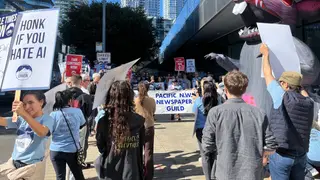
The Seattle Times Union staged a protest demanding comprehensive job protection clauses against artificial intelligence replacement across all newsroom roles, not just reporting and writing positions. While the newspaper has agreed to prohibit AI from interviewing sources or authoring stories, the union contends that copy editors, photographers, graphic designers, and digital producers remain unprotected from potential automation. The dispute reflects broader tensions in media organizations as they navigate implementing AI tools while addressing workforce concerns.
The dispute centers on the scope of AI protections in an ongoing contract negotiation. Management has consented to restrictions on artificial intelligence for source interviews and story composition, but refuses similar guarantees for supporting roles like photo editing, design work, and content distribution. Union representatives argue this creates vulnerability across the newsroom, particularly for specialists whose work could be automated without safeguards. This disagreement mirrors tensions nationwide as media companies explore AI integration while confronting workforce apprehensions about job security.
This labor dispute may influence how media organizations balance technological adoption with employment stability. The outcome could establish precedent for AI clauses in journalism contracts, potentially affecting thousands of newsroom employees across the industry. Broader implications extend to other sectors facing similar automation questions—whether comprehensive workforce protections should accompany new technologies, and how companies can implement efficiency gains without displacing workers. The resolution may also shape public perception of how institutions manage the transition to AI-assisted operations.