Slovenia's Press Freedom Under Pressure as Jansa's Coalition Pushes Media Control
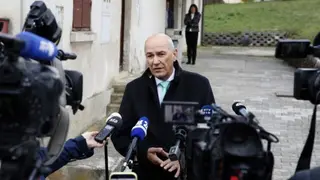
The return of populist Janez Jansa and his nationalist coalition to power in Slovenia, combined with proposed amendments to public broadcasting legislation, is raising alarm among media freedom advocates. The government is moving to increase state control over public broadcaster RTVSlo and planning a referendum to abolish its license fee, a model that elsewhere has led to state domination of media outlets. The European Federation of Journalists and media experts warn that these moves mirror tactics used in Hungary and the Czech Republic to undermine independent journalism.
Slovenia's media landscape has become increasingly fragmented following recent ownership transitions in the commercial sector, occurring simultaneously with the government's legislative push. The ruling coalition's parliamentary maneuvering relies on support from a pro-Kremlin party, enabling rapid advancement of broadcasting amendments that would fundamentally alter how the public broadcaster operates and secures funding.
International precedent offers cautionary examples. Hungary's 2004 elimination of public media license fees ultimately resulted in state-dominated outlets, a pattern the country is only now attempting to reverse after recent political changes. The Czech Republic is pursuing similar budget-dependent models beginning in 2027, suggesting a broader regional trend toward direct state financing of media institutions.
These developments could substantially affect Slovenia's information ecosystem and democratic accountability mechanisms. Citizens relying on public broadcasting may face reduced editorial independence and more limited investigative journalism capacity. Media professionals and civil society organizations could experience increased pressure, potentially discouraging critical reporting. The trajectory may influence citizens' trust in institutions and their access to diverse viewpoints, which observers argue could have lasting consequences for democratic participation and institutional checks on executive power.