Russian-Leaning Voters Could Decide Bulgaria's Presidential Runoff
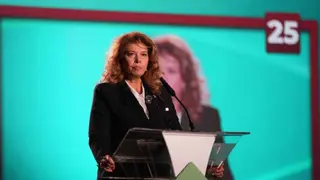
Bulgaria's October 25 presidential election is shaping up as a geopolitical contest between pro-EU and Russia-sympathetic candidates, with the frontrunner Iliana Iotova likely to face former interim prime minister Andrey Gyurov in a runoff. Experts predict that voters supporting various pro-Kremlin and Eurosceptic candidates in the first round may consolidate behind Iotova if she advances to face a Western-oriented opponent. The outcome will test President Rumen Radev's influence and reflect divisions over Bulgaria's international alignment.
Bulgaria's October 25 presidential contest reflects a fundamental split in the country's political landscape. The race features frontrunner Iliana Iotova, backed by the sitting president's Progressive Bulgaria party alongside the socialist and nationalist blocs, positioned against pro-Western candidate Andrey Gyurov, who draws support from centrist opposition groups. The field includes numerous other contenders, most of whom campaign on nationalist and Eurosceptic platforms.
Political analysts suggest that voters dispersed across multiple Eurosceptic and Russia-sympathetic candidates in the first round could consolidate their support behind Iotova if a runoff pits her against Gyurov. This potential vote consolidation may significantly influence the outcome of the November runoff and ultimately determine which geopolitical direction Bulgaria's leadership pursues.
The presidential election could reshape Bulgaria's international positioning during a period of heightened European geopolitical tension. A victory for Iotova might strengthen Russia-sympathetic policies within Bulgarian governance, while a Gyurov win could reinforce Western institutional alignment. The result may affect Bulgaria's approach to EU and NATO matters, energy policy, and stance on regional conflicts. The election also serves as a referendum on President Radev's political influence and may signal broader voter preferences regarding the country's strategic orientation during an uncertain period.