Engineered Immune Cells Achieve Durable Cancer Remission in Young Patient with Advanced Liver Tumor
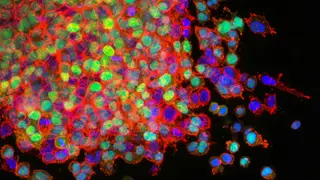
Researchers at Baylor College of Medicine successfully treated a three-year-old with metastatic liver cancer using genetically modified CAR T cells derived from the patient's own immune system. The boy received two infusions and experienced complete cancer remission without serious side effects, remaining cancer-free one year later. This case demonstrates that CAR T therapy, previously ineffective against solid tumors, may be adapted to target and eliminate organ-based cancers in pediatric patients.
CAR T cell therapy works by extracting immune cells from patients, genetically engineering them to recognize cancer markers, then reinfusing them after chemotherapy clears the existing immune system. This approach has proven remarkably effective against blood cancers but has struggled with solid tumors, which account for the majority of cancer diagnoses. Solid cancers present multiple obstacles: they display varied surface markers, are physically embedded in organ tissue, and secrete chemicals that suppress immune responses.
The Baylor research team designed their CAR T cells with additional genetic modifications to help them persist longer and penetrate the tumor microenvironment more effectively. The cells also included a safety mechanism to halt their activity if necessary. This three-year-old's complete remission after two infusions, lasting at least one year without serious complications, represents a significant proof-of-concept that engineered immunity may eventually extend to solid organ cancers in pediatric patients.
If validated across additional patients, this approach could substantially expand CAR T therapy's applicability beyond blood cancers to the majority of malignancies. Pediatric solid tumors—which currently offer limited treatment options—could potentially benefit most, though development and manufacturing costs may initially limit access. Broader adoption might require addressing manufacturing scalability and long-term safety data. Success could incentivize investment in similar engineered cell therapies targeting other solid cancers, potentially reshaping cancer treatment paradigms.