Toronto's Power Struggles Define Disappointing Season Despite Late Playoff Push
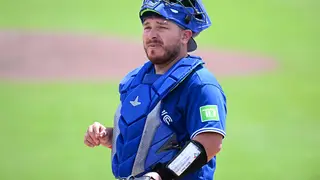
The Toronto Blue Jays experienced a disappointing 2026 campaign marked by a sharp decline in offensive production, hitting just 152 home runs compared to 191 the previous year and ranking last in baseball for long balls. Key contributors saw significant drops in power, with only four players reaching double-digit home runs versus eight the previous season, while injuries affected several potential contributors including Vladimir Guerrero Jr., who had a particularly poor year. The team recovered late in the season to return to playoff contention, with the front office likely to pursue additional power-hitting help in the offseason to address their primary weakness.
The Blue Jays' offensive collapse represented one of baseball's most dramatic year-over-year declines. Beyond the overall home run reduction, the team faced compounding injury problems that decimated their roster depth. Key position players like Kirk, Barger, Springer, and Santander all missed significant time, creating a cascade effect on production. The bright spot came from Okamoto, whose 33 home runs marked the franchise's highest total since 2021, demonstrating that targeted acquisitions could meaningfully impact performance.
On the pitching side, Toronto faced an unexpected crisis despite entering the season with perceived depth. Eight starting pitchers landed on the injured list simultaneously, forcing the organization to promote untested talent. Most debut starters contributed minimal value, highlighting how quickly organizational advantages can evaporate through injury. The mid-season acquisition of Jose Soriano represented damage control rather than long-term solution.
The Blue Jays' struggles could influence how baseball franchises approach roster construction and contingency planning. Teams monitoring Toronto's experience may reconsider depth strategies for both position players and pitching staffs. Fans in Toronto face potential further investment and uncertainty before competitive restoration, which could affect regional fan engagement and merchandise revenue. The franchise's front office decisions this offseason may shape competitive balance discussions within the league regarding how teams rebuild after significant performance drops.