Trump Administration Cuts Global Health Aid to Zimbabwe Over Rejected Data-Access Deal
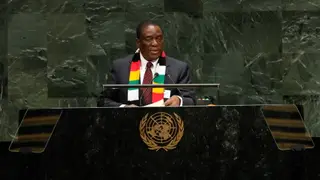
The State Department ended decades of HIV and infectious disease prevention funding to Zimbabwe after the country rejected a conditional aid agreement that would have granted U.S. access to sensitive medical and biological data. Zimbabwe's government called the proposed terms asymmetrical and a threat to national sovereignty, while Washington indicated it would spend only a fraction of previous commitments while requiring Zimbabwe to double its health spending. More than 30 other countries have accepted similar agreements with the U.S.
The contentious agreement centered on medical and biological data collection as a condition of continued U.S. funding. Zimbabwe objected to terms it viewed as providing unequal benefit distribution, particularly regarding access to medical discoveries derived from shared data. The financial restructuring demanded Zimbabwe substantially increase domestic health expenditures while the United States reduced its contribution below historical levels—a combination Zimbabwean officials considered untenable for a developing nation's budget.
The funding suspension affects thousands of health sector workers and hundreds of medical facilities across the country. Zimbabwe's government has begun exploring alternative funding sources through international health organizations and plans to redirect existing domestic resources toward critical services, particularly antiretroviral drug distribution for HIV patients.
The aid cuts could strain Zimbabwe's capacity to manage infectious disease outbreaks and maintain preventive health infrastructure. Reduced support for health worker salaries and laboratory services may compromise disease surveillance networks. Vulnerable populations dependent on these programs—particularly those managing chronic conditions like HIV and tuberculosis—may face service interruptions. The broader pattern of conditioning aid on data access raises questions about whether resource-scarce nations face different negotiating leverage than wealthier countries in international health partnerships.