NASA Develops Bioplastic Building Material That Can Be Synthesized by Microorganisms in Space
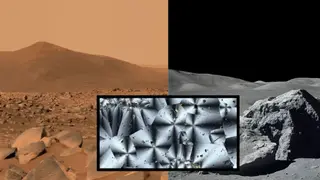
Researchers at NASA's Glenn Research Center have created a biodegradable composite material combining specialized bioplastic with simulated lunar and Martian dust that can be synthesized by bacteria. The material gains strength when mixed with extraterrestrial dust, and its properties can be modified by varying dust composition and quantity. This innovation could enable astronauts to manufacture structural components, tools, and habitats on the Moon and Mars using local resources and biological processes, significantly reducing launch weight and mission costs.
NASA researchers have engineered a composite that combines biodegradable plastic with dust particles simulated to match lunar and Martian soil. The plastic itself is produced through a biological process—bacteria synthesize the material within their cells, potentially using waste products or atmospheric carbon dioxide as feedstock. This approach eliminates the need to manufacture materials on Earth and transport them across space.
The material's structural properties improve when incorporated with extraterrestrial dust, and researchers can fine-tune its characteristics by adjusting the type and quantity of dust mixed in. Current testing at Glenn's Lunar Environment Structural Test Rig evaluates performance under extreme conditions, including temperatures below -387 degrees Fahrenheit, while samples will also be exposed to the space environment aboard the International Space Station.
The development could reshape space mission economics by reducing payload requirements and dependency on resupply missions, which are costly and logistically complex. If proven viable in extraterrestrial environments, astronauts may gain greater self-sufficiency for repairs and construction, potentially lowering overall mission costs. This approach represents a broader industry shift toward in-situ resource utilization, which could affect how space agencies and private companies plan long-term lunar and Martian operations and allocate research funding.