Botched Software Update Disables Cooling Function in Samsung Smart Refrigerators
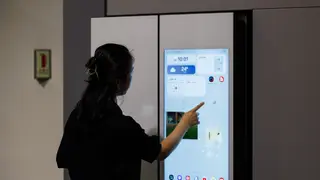
A defective firmware update pushed to Samsung's premium Bespoke AI refrigerators in South Korea on September 22 caused the appliances to cease cooling and left their display screens frozen. The malfunction affected high-end models from 2024 onward that rely on software controllers for compressor operation, forcing customers to manage spoiled groceries during holiday preparations. The incident highlights the risks of over-the-air updates for critical home appliances that lack adequate rollback safeguards.
Samsung's premium refrigerator line relies on networked software to regulate core functions like compressor operation and temperature management, meaning a single flawed firmware deployment across connected units disabled essential cooling capabilities simultaneously. The September 22 incident underscores a growing vulnerability in modern appliances: as manufacturers integrate cloud connectivity and automated updates into devices handling critical household tasks, they simultaneously introduce new failure points that traditional mechanical appliances never faced.
The financial and logistical consequences were acute because the failure coincided with Chuseok preparations, when South Korean households typically purchase and store substantial quantities of perishable foods for multi-day family celebrations. Customers reported losing significant quantities of expensive ingredients, forcing them to absorb both the spoilage losses and the cost of replacement groceries on short notice.
This incident may prompt broader consumer scrutiny of how connected appliances handle software updates, particularly regarding safeguards and rollback mechanisms. The failure could influence purchasing decisions among households prioritizing reliability over smart features, while potentially pressuring manufacturers to implement mandatory testing protocols and customer notification systems before pushing critical updates. The episode also raises questions about liability when software failures cause direct financial harm, potentially affecting warranty policies and customer service standards across the smart appliance industry.