Indiana Governor Prolongs Fuel Tax Relief as Global Energy Costs Remain Elevated
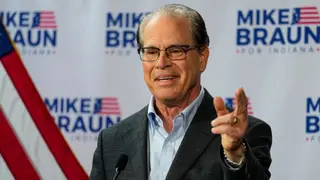
Indiana Governor Mike Braun announced an extension of his state's gas tax suspension through early November, citing elevated fuel prices resulting from disruptions in global oil supply linked to the ongoing Iran conflict. The suspension, first implemented in April, provides particular relief to farmers facing increased operational costs from higher energy prices. Global gasoline prices have risen significantly since military actions against Iran in February disrupted the Strait of Hormuz, a critical shipping route for petroleum.
Indiana's gas tax suspension, initially implemented as a temporary 30-day measure in April, has now been extended multiple times as global energy markets remain disrupted. The suspension targets relief for agricultural operators whose profit margins are particularly vulnerable to fuel cost fluctuations, since energy expenses represent a substantial portion of farming operational budgets. Indiana residents are currently experiencing gas prices approximately 74 cents higher than the previous year, reflecting broader national trends where prices have climbed roughly $1.28 per gallon.
The underlying cause traces to military escalation in the Middle East beginning in February, which disrupted shipping through the Strait of Hormuz—a vital global petroleum corridor. This geopolitical disruption has created sustained upward pressure on energy costs throughout North America, prompting policymakers across multiple states to consider tax relief measures as a political response.
The extension may provide modest financial relief to consumers and agricultural producers managing elevated operational costs, though the actual savings depend on whether fuel retailers pass tax reductions directly to pump prices. The policy's broader impact could influence both household budgets and farm profitability across Indiana, while potentially affecting state revenue streams normally allocated to infrastructure maintenance. The political dimension—with lawmakers in other Midwest states similarly seeking conflict resolution—suggests fuel costs may become a consequential issue in upcoming electoral campaigns.