Economic forces driving renewable energy adoption regardless of political obstacles
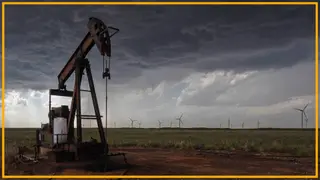
Renewable energy projects have become cheaper than fossil fuel alternatives, with 93% of new electricity capacity expected to come from solar, wind, and batteries in 2026. Despite political efforts to support fossil fuels through tariffs, the declining costs of clean energy create an irreversible market shift that favors renewables on economic grounds alone. While the transition is inevitable, the pace at which America can shift away from its current 57% fossil fuel-dependent grid depends on deliberate policy choices to accelerate deployment.
The renewable energy sector has achieved a fundamental cost advantage that outpaces political intervention. Solar and wind installations now represent the majority of new electricity generation capacity additions, driven entirely by economic competitiveness rather than regulatory mandates. Coal plants, despite government efforts to keep aging facilities operational, face economics that make closure cheaper than continued operation, with replacement by clean sources offering superior financial returns.
The transition faces a structural challenge: while new capacity additions favor renewables, the existing grid remains heavily dependent on fossil fuels built over decades. This legacy infrastructure must be gradually phased out and replaced, creating a temporal lag between economic inevitability and actual system transformation. The pace of this replacement depends on policy decisions around investment, plant retirement timelines, and infrastructure modernization priorities.
This energy transition could reshape utility business models, workforce demands across coal and renewable sectors, and electricity pricing structures. Grid operators may face challenges managing the integration of distributed renewable sources. Consumers could benefit from lower long-term energy costs, though may experience near-term price volatility during the transition. Investors in fossil fuel infrastructure face potential asset stranding, while renewable energy companies may see accelerated growth opportunities regardless of political headwinds.