Apple introduces Impersonation Risk Detection feature to shield iOS users from social engineering attacks
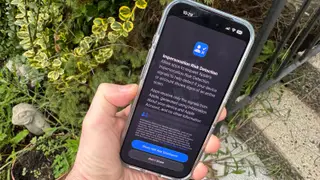
iOS 27 and iPadOS 27 now include a security feature called Impersonation Risk Detection designed to alert users of potential scams during sensitive transactions such as payments or account changes. The feature analyzes user account data and device information to classify suspicious activity as unknown, medium, or high risk, then communicates these levels to compatible apps for appropriate action. This capability addresses vulnerabilities in traditional security methods like two-factor authentication that cannot detect social engineering attempts.
Apple's new safeguard operates by evaluating patterns associated with account activity and device behavior to identify potential fraudulent scenarios before they occur. When users attempt actions that involve financial transfers, credential modifications, or sensitive information sharing, the system generates a risk classification that applications can then use to determine appropriate protective measures—such as requiring additional verification steps or issuing alerts to the user.
The feature addresses a recognized gap in existing security infrastructure. Traditional protective mechanisms like two-factor authentication focus on verifying user identity but cannot reliably detect when a legitimate user has been manipulated into authorizing fraudulent transactions. By analyzing behavioral signals, Impersonation Risk Detection aims to catch suspicious patterns that conventional defenses might miss.
This development could meaningfully affect iPhone and iPad users' vulnerability to social engineering schemes, which have grown increasingly sophisticated. The capability may prove particularly valuable for populations with less cybersecurity awareness. However, the feature's effectiveness will depend on app adoption rates and whether the risk assessment methodology can accurately distinguish between genuine suspicious activity and legitimate unusual transactions, which could determine whether it becomes a substantial protective tool or a less impactful addition to Apple's security offerings.