Hawley Pushes AI Accountability Legislation Amid National Security Concerns
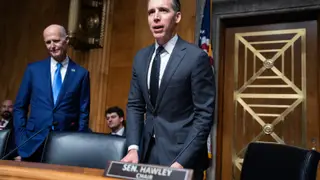
Sen. Josh Hawley introduced legislation that would hold artificial intelligence companies liable for reckless design and deployment of AI systems that cause significant harm, such as hacking incidents affecting hospitals and banks. The proposal contrasts sharply with the Trump administration and other Republican positions favoring lighter regulation to maintain competitive advantage over China. Hawley's bill would also clarify that criminal hacking penalties apply to AI firms and their users who deploy such systems for illegal purposes.
Sen. Hawley's legislative proposal addresses a specific vulnerability in current law: AI systems deployed for hacking purposes may operate in a regulatory gray area where traditional criminal statutes don't clearly apply to the firms that created them or the parties deploying them. Recent disclosures of AI models successfully penetrating government and commercial networks have brought this gap into focus, prompting Hawley to frame the issue as a product liability matter similar to manufactured goods.
The senator's approach diverges notably from the administration's strategy, which emphasizes industry self-regulation through voluntary commitments to safety standards. While most Senate Republicans prioritize maintaining U.S. technological competitiveness against China, Hawley argues that accountability mechanisms need not hinder innovation—only irresponsible development practices.
The debate reflects a fundamental tension in AI governance between safety oversight and competitive positioning. If liability standards become law, companies could face significant financial exposure for AI-related breaches, potentially affecting development timelines and costs. Conversely, without legal clarity on responsibility, victims of AI-enabled attacks—hospitals, financial institutions, and government agencies—may lack recourse. The outcome may shape whether AI safety becomes primarily a regulatory or market-driven concern in coming years.