Ranchers and conservative leaders unite against oil companies in major climate liability case
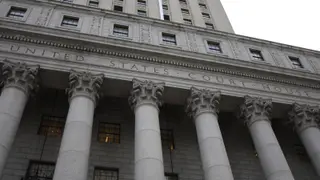
Ranchers, conservative legal scholars, and former Republican EPA officials are supporting Boulder's lawsuit against Exxon Mobil and Suncor, which seeks damages for climate adaptation costs from extreme weather events. The case, heading to the Supreme Court, challenges whether oil companies can be held liable for the escalating expenses of dealing with wildfires, droughts, and floods affecting rural communities. The outcome could significantly impact corporate accountability for climate-related deception and determine who bears the financial burden of climate adaptation.
The Boulder lawsuit represents a novel legal strategy for addressing climate costs. Rather than suing for environmental damage alone, the city and county seek reimbursement for concrete adaptation expenses—emergency response, infrastructure repairs, and community support—stemming from intensifying weather events. This frames climate liability as a direct financial burden on local governments that currently absorb these mounting expenses without recourse.
Notably, Justice Samuel Alito's recent recusal shifts the legal landscape. His departure removes a justice with both conservative leanings and personal financial interests in oil companies, potentially altering the court's calculus. Meanwhile, the coalition supporting Boulder extends beyond typical environmental groups to include ranching communities and conservative legal experts, suggesting the case has moved beyond partisan environmental debate into questions of economic fairness and property protection.
A Supreme Court decision favoring Boulder could establish precedent for state courts to adjudicate climate liability claims, potentially exposing fossil fuel companies to substantial damages across multiple jurisdictions. Conversely, a ruling for the oil companies would insulate them from state-level litigation and concentrate climate adaptation costs on local governments and affected communities. The outcome may influence how financial responsibility for climate impacts is distributed across society—determining whether corporations bear costs for emissions or whether communities absorb them through public budgets.