UK Implements Excise Duty on Vaping Products to Reduce Youth Appeal and Combat Illicit Trade
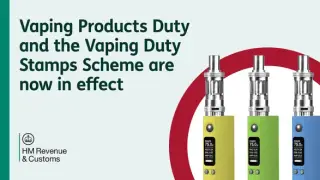
An excise duty on vaping products took effect in the UK on October 1, 2026, charging £2.20 per 10 milliliters of liquid to reduce affordability and discourage youth vaping. The government has launched an accompanying Vaping Duty Stamps Scheme featuring digital security codes for product authentication and supply chain traceability, with a six-month grace period allowing retailers to sell unstamped existing stock until March 31, 2027. Tobacco duty rates also increased by £2.20 per 100 cigarettes to maintain the financial incentive for smokers to switch to vaping.
The UK's new duty represents a significant regulatory shift in the vaping market, introducing a tax mechanism designed to address public health concerns while simultaneously attempting to eliminate counterfeit products. The government's approach targets affordability as a key lever, particularly for younger consumers, while the accompanying stamp scheme creates infrastructure for supply chain verification. The six-month transition period reflects recognition that immediate enforcement would disrupt existing retail inventory and supply chains.
Industry responses reveal fundamental disagreement about the policy's effectiveness. While some manufacturers support regulated frameworks, critics argue the duty may inadvertently benefit illicit sellers who operate without tax obligations, potentially undermining the scheme's core objective of eliminating black-market products from retail environments.
This policy may create mixed outcomes for small retailers and legitimate vaping businesses. Those complying with regulations could face competitive pressure from illicit suppliers avoiding duty costs, potentially narrowing profit margins during the transition. Consumers may experience price increases, which proponents suggest could reduce youth uptake but opponents contend might push consumers toward unregulated alternatives. Small convenience stores and independent shops will require system updates to authenticate stamped products, presenting compliance costs alongside potential sales fluctuations during the implementation period.