Trump Seeks Census Changes to Alter Congressional Representation and Electoral Power
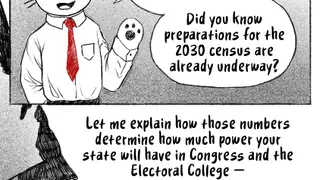
The decennial census determines each state's representation in Congress and the Electoral College, making it a powerful tool for political advantage. President Trump attempted to alter the census methodology during his first term but failed, and is now pursuing changes again ahead of the 2030 census. The Trump administration's efforts aim to reshape the balance of political power among states.
The decennial census serves as the foundation for distributing political representation across the nation. Every ten years, the count determines how many congressional seats each state receives and influences Electoral College vote totals, directly shaping which states have greater political influence in national elections. Trump's previous attempts to modify census procedures during his first administration were unsuccessful, yet he continues pursuing similar changes before the 2030 census cycle.
Census methodology changes could substantially affect the geographic distribution of political power among states for the following decade. States gaining or losing congressional representation would see their influence shift in both the House and presidential elections. Such alterations may have cascading effects on policy priorities and campaign strategies, potentially benefiting some regions over others. Citizens in states experiencing representation changes could see their collective voting power modified, which may influence how elected officials allocate resources and attention across the country.