Mineral Composition Tuning Enhances Properties of Coal-Based Carbon Materials
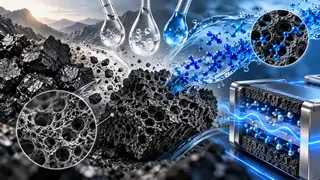
Researchers demonstrated that controlling the mineral content in coal through selective acid and base treatments produces porous carbons with customizable structures and chemical properties. Different pretreatment approaches yield materials with varying pore architectures and surface characteristics suited to distinct applications. The findings suggest a viable pathway for optimizing coal-derived materials for energy storage and environmental remediation uses.
Coal-derived carbon materials have long been investigated for industrial applications, and this research advances that field by demonstrating how mineral composition influences the resulting material properties. By applying selective chemical treatments—both acidic and basic approaches—researchers can remove or modify the inorganic components naturally present in coal, leaving behind carbon structures with engineered characteristics.
The ability to produce customizable pore architectures and surface chemistry opens possibilities across multiple sectors. Energy storage systems and pollution control technologies both depend on materials with specific structural and chemical attributes, suggesting these tuned coal-based carbons could address performance requirements in applications where conventional materials fall short.
This work could have implications for both industrial coal utilization and environmental goals. By converting coal into higher-value specialized materials, the approach might extend coal's economic relevance in carbon-intensive industries while potentially reducing waste. However, the actual market impact would depend on cost-effectiveness compared to alternative materials and the scale at which these processing methods could be implemented commercially.