EV Electricity Consumption Growth Slows in U.S. Following Tax Credit Elimination
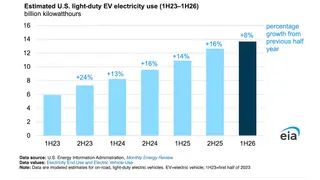
U.S. electric vehicle electricity consumption grew only 8% in the first half of 2026, a significant slowdown from the 13-24% growth rates observed in previous years, following the September 2025 expiration of federal EV tax credits. New EV sales declined 19% comparing the first half of 2026 to the previous half-year period, though cumulative EV electricity use has more than doubled since early 2023. Despite overall challenging market conditions, electric vehicles still consumed nearly 14 billion kilowatt-hours during the first six months of 2026.
The U.S. electric vehicle market experienced a notable deceleration in growth during the first half of 2026, with electricity consumption rising just 8% compared to the previous six months—a sharp contrast to the double-digit growth trajectory seen in prior years. This slowdown directly correlates with the September 2025 termination of federal purchase incentives that had previously reduced the financial barriers to EV ownership. New vehicle sales fell by nearly one-fifth in the same period, though the existing fleet of EVs on roads continues to expand their collective energy demand.
Despite the recent contraction, the long-term expansion of electric vehicle adoption remains substantial. Total EV electricity consumption has more than doubled since early 2023, reaching approximately 14 billion kilowatt-hours in the first half of 2026. However, electric vehicles still represent a modest share of overall transportation, accounting for only 2% of registered light-duty vehicles nationally as of 2024, suggesting considerable room for future growth in the sector.
The removal of tax credits could reshape EV market dynamics by potentially slowing the transition away from gasoline-powered vehicles, affecting climate and air quality improvement goals. Consumers and manufacturers may face increased pressure if purchase prices rise, while electricity grid operators could see forecasts for renewable energy demand growth revised downward. Conversely, the slowdown might prompt policymakers to evaluate alternative incentive mechanisms or market strategies to sustain momentum toward decarbonization targets in transportation.