Genetic and Environmental Factors Interact to Influence Antisocial Behavior Development
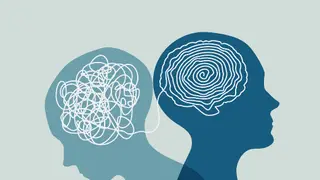
Research examines how genetic predispositions and early environmental stressors combine to shape antisocial behavioral patterns through specific biological pathways. The analysis incorporates findings on dopamine and serotonin regulation as well as genes like MAOA and mechanisms involving oxytocin. Understanding these gene-environment interactions provides insight into the biological foundations of behavioral disorders.
Antisocial behavior does not arise from a single cause. Instead, researchers have identified that both inherited traits and early life experiences play crucial roles in whether someone develops behavioral patterns associated with antisocial conduct. By examining the molecular mechanisms involved, scientists can better understand how these two forces interact at a biological level.
The study of neurotransmitters—chemical messengers in the brain—has revealed important connections to behavioral outcomes. Genes involved in regulating mood and social bonding, combined with how the brain processes reward and stress, help explain individual differences in behavior development. This biological framework may eventually inform more targeted prevention and intervention approaches.
Understanding the roots of antisocial behavior could influence how societies approach mental health screening, intervention design, and treatment strategies. Clinicians and policymakers might benefit from recognizing that both genetic vulnerability and environmental factors matter. Such insights may reduce stigma by framing behavioral issues as medical rather than purely volitional, potentially affecting criminal justice, education, and healthcare policy discussions.