Play Across the Lifespan: Redefining How Adults Use Objects and Creativity for Mental Well-Being
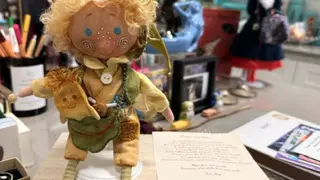
A toy analyst examines how play and material culture support mental health, creativity, and well-being throughout adulthood, not just childhood. Recent research and market trends show that adults now purchase toys and collectibles at rates exceeding children, reflecting a cultural shift toward recognizing play as essential for psychological functioning at any age. This field challenges the misconception that play is exclusively developmental work for children and explores how objects carry meaning and serve as tools for emotional expression and processing.
The emerging field of toy analysis represents a growing recognition that play serves psychological functions throughout adulthood, not solely during childhood development. Toy and pop culture analysts examine how consumer trends—particularly the post-pandemic surge in adult collectibles purchases—reflect deeper cultural needs for creativity, emotional processing, and self-expression. This work involves consulting with manufacturers and retailers on inclusive product design that transcends traditional demographic boundaries, such as gendered marketing or accessibility considerations for diverse audiences.
Material culture research demonstrates that everyday objects function as more than decorative items; they serve as repositories for memory and meaning. Objects can facilitate emotional processing during significant life events, including grief and loss. The field draws on psychological frameworks, such as transitional object theory, to explain how tangible items help individuals navigate complex emotions and maintain connections to important people and experiences across their lifespan.
Recognition of adult play as therapeutically valid could reshape how mental health professionals approach treatment, potentially incorporating creative and play-based interventions more broadly into clinical practice. This perspective may influence toy design and marketing industries to develop products intentionally for adult audiences, reducing stigma around play in adulthood. Such cultural shifts could particularly benefit individuals experiencing grief, isolation, or reduced access to traditional therapeutic resources, though the efficacy of object-based emotional processing would benefit from additional empirical research.