Conductive Zinc Whiskers Pose Equipment Reliability Threats in High-Density AI Data Centers
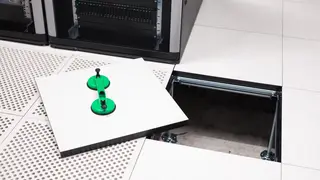
Legacy raised-floor infrastructure and zinc-plated components in data centers can degrade and release conductive whiskers that contaminate equipment, a risk amplified by growing AI workload density and aggressive cooling airflow. These metallic particles, shed from aging materials, create short-circuit hazards that threaten server reliability and uptime. Operators managing high-performance AI facilities must assess and remediate zinc-coated infrastructure to prevent performance degradation.
Data center operators face an emerging infrastructure challenge as raised-floor systems and zinc-plated hardware age within facilities. The degradation of these materials releases conductive particles that can accumulate on sensitive equipment, increasing electrical short-circuit risks. This threat is particularly acute in modern AI facilities, where densely packed servers generate substantial heat requiring intense cooling systems that accelerate airflow and particle dispersal throughout the infrastructure.
Facilities managing legacy hardware alongside new high-performance computing equipment may experience cascading reliability issues. Preventive measures include systematic assessment of aging components, material replacement programs, and enhanced environmental monitoring to detect contamination before equipment damage occurs.
Data center reliability directly impacts service availability for cloud computing users and AI platform operators. Organizations relying on these facilities could face unexpected downtime if zinc whisker contamination causes equipment failures, potentially affecting business continuity across multiple sectors. Infrastructure operators and their customers may need to allocate resources toward facility audits and upgrades, which could influence operational costs and facility planning strategies across the industry.