Court Permanently Blocks U.S. Attorney from Prosecuting Ex-Olympian Over Pool Damage
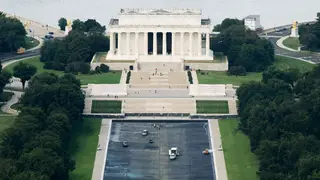
A Washington D.C. Superior Court judge has permanently barred U.S. Attorney Jeanine Pirro's office from prosecuting former Olympic canoeist David Hearn in connection with damage to the Lincoln Memorial Reflecting Pool. The judge dismissed the case with prejudice, citing exceptional circumstances including documented political pressure from President Trump on Pirro's office to reinstate charges. The judge found that Trump's public criticism of the decision to drop the case and threats to fire Pirro created an inappropriate political interference in the prosecution.
The dismissal stems from a pool damage case involving former canoeist David Hearn that prosecutors initially pursued but later determined lacked merit after discovering the targeted area had already sustained damage prior to the alleged incident. The U.S. Attorney's office moved to drop charges in late July, prompting Hearn's legal team to seek permanent dismissal protections the following month.
Judge Edelman's ruling centered on governmental overreach, specifically noting that the president's public criticism of the prosecution decision, combined with threats regarding the U.S. Attorney's job security and references to Hearn's political donations and attorney relationships, created improper political leverage over prosecutorial discretion. The judge concluded that allowing prosecutors to retain charging authority despite abandoning the case would expose Hearn to indefinite legal jeopardy driven by political considerations rather than evidence.
This decision may influence how courts evaluate political interference in federal prosecutions going forward, potentially establishing precedent for when judges should permanently bar cases based on executive pressure. The ruling could affect prosecutorial independence and the threshold for demonstrating improper political motivation in criminal matters. Additionally, the outcome raises questions about accountability mechanisms when prosecutors face pressure from political leadership, potentially impacting how future administrations interact with law enforcement agencies during politically sensitive cases.