CNN's Mark Thompson in Early Negotiations to Remain as CEO Under New Paramount-Warner Bros. Leadership
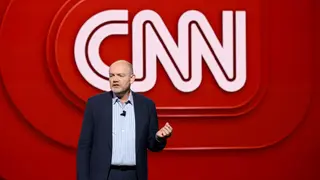
David Ellison is reportedly interested in keeping Mark Thompson as CNN's chief executive following the Paramount-Warner Bros. merger, though discussions remain preliminary with no guaranteed outcome. Thompson has requested assurances regarding editorial independence and autonomy over the global news brand, with the combined company planning to establish an editorial independence board. The potential continuation of Thompson's leadership would ease concerns among CNN staff about significant organizational changes similar to those implemented at CBS News.
Mark Thompson's potential continuation as CNN's leader addresses significant uncertainty about the combined entity's direction following the Paramount-Warner Bros. merger. Thompson has prioritized securing guarantees of editorial autonomy and control over the news division's global operations, with the merged company planning to establish an independent board of journalists to set editorial standards and mediate disputes with corporate management. Thompson's current contract extends into next year, allowing time for negotiations before any leadership transitions become necessary.
The merger presents both stability concerns and practical pressures for the combined company. While CNN remains profitable despite declining linear viewership, the merged entity carries an estimated $80 billion debt burden requiring careful financial management. Thompson is currently overseeing CNN's digital transformation, and his retention could allow continuation of that strategic initiative, though some consolidation between CNN and CBS News operations appears likely as the companies integrate their news divisions.
Thompson's potential retention could significantly affect CNN's newsroom stability and editorial direction during a period of industry consolidation. Staff morale and operational continuity may depend on whether independence safeguards prove meaningful in practice. The situation also reflects broader questions about how corporate ownership structures influence news operations and whether formal independence boards can effectively insulate editorial decisions from profit-driven parent companies. The merger's financial pressures may ultimately shape what autonomy and resources the news division actually receives.