Remarkably Intact Remains of Young Inca Individual Provide Window Into Ancient Ritual Practices
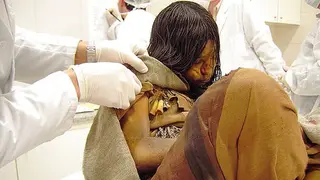
The exceptionally well-preserved remains of a fifteen-year-old from the Inca Empire reveal details about religious and political customs of the pre-Columbian civilization. The quality of preservation has allowed researchers to examine the body in remarkable detail, offering insights into how the Inca conducted ceremonial practices. The discovery demonstrates the extent to which ancient societies were willing to go in service of religious and state authority.
Archaeological discoveries of well-preserved human remains from pre-Columbian civilizations offer researchers rare opportunities to reconstruct aspects of ancient life otherwise lost to time. This particular find—the remains of an adolescent from the Inca Empire—illustrates how environmental conditions or burial practices can create ideal preservation scenarios that allow scientists to study physical evidence in extraordinary detail.
The examination of such remains contributes significantly to scholarly understanding of how powerful ancient societies integrated religious observance with political authority. By analyzing the body itself, researchers can gather evidence about ceremonial procedures and the cultural values that motivated them, revealing dimensions of Inca civilization that written records alone cannot convey.
This discovery may interest academic specialists in Mesoamerican studies, religious historians, and museum professionals seeking to expand collections and exhibition knowledge. The findings could potentially inform how cultural institutions present indigenous histories to the public and may contribute to discussions about ethical standards for displaying and studying human remains. Descendant communities could find the research relevant to understanding ancestral practices, while broader audiences may gain appreciation for the sophistication of pre-Columbian societies.