Turkey Balances Russian Gas Imports Against European Pressure on Energy Independence
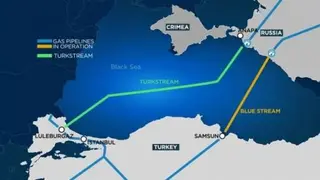
Turkey has emerged as a major beneficiary of Western sanctions on Russia by importing Russian natural gas through pipelines and reselling it to Europe at premium prices while technically allowing European countries to claim sanctions compliance. Russia supplies approximately 40 percent of Turkey's gas consumption through two primary Black Sea pipelines, making the country a critical energy partner despite European pressure for alternative sourcing. Turkey's strategic position as an autonomous actor allows it to profit from the current geopolitical situation while maintaining pragmatic relations with both Russia and Europe.
Turkey's energy position stems from geography and pragmatism. The country controls critical Black Sea chokepoints and has maintained working relationships with Russia despite broader geopolitical tensions. Two major pipelines—Blue Stream and TurkStream—deliver Russian gas to Turkey, with portions destined for European markets. This arrangement allows Turkey to serve as an intermediary in European energy supply chains.
The arrangement creates economic benefits for Ankara while presenting diplomatic complications. European nations purchasing Turkish gas technically maintain sanctions compliance while still accessing Russian energy at higher costs. Simultaneously, EU leadership conditions Turkey's membership candidacy on reducing Russian energy ties, creating pressure on Turkish policymakers to choose between economic gain and European integration prospects.
This dynamic could affect European energy security strategies, Turkey's EU membership timeline, and broader Russia-West relations. European consumers may face continued elevated energy costs if Turkish intermediary arrangements persist. Turkey's balancing act could influence NATO cohesion and regional stability, as pressuring a key geopolitical actor may either strengthen or strain alliance relationships depending on policy outcomes.