Longer Device Ownership Periods Force Carriers to Rethink Upgrade Strategies and Trade-In Programs
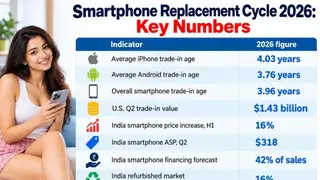
The average smartphone replacement cycle has extended to approximately four years in 2026, with iPhones reaching 4.03 years and Android devices averaging 3.76 years, driven partly by higher device prices and improved durability. Rising smartphone costs, particularly from increased DRAM and NAND expenses, are incentivizing consumers to retain existing devices longer rather than purchase new ones. Major telecom operators including AT&T, Verizon, and Deutsche Telekom are responding with enhanced trade-in incentives, reduced monthly financing payments, and promotions linking newer 5G-capable devices to service plans to maintain customer relationships and drive network adoption.
The shift toward extended device ownership reflects a confluence of economic pressures on consumers. Memory component costs—driven by competing demand from artificial intelligence data centers—have pushed smartphone prices to record levels, making the financial case for annual upgrades increasingly difficult. This dynamic is particularly acute in price-sensitive markets like India, where average selling prices climbed significantly in the first half of 2026 and shipment volumes contracted accordingly.
Telecom carriers are restructuring their business models around this reality. Rather than relying on frequent full-price purchases, operators now distribute device costs over extended payment terms spanning three to four years, aligning financing periods with actual device lifecycles. Trade-in programs have evolved into central acquisition tools, with carriers aggressively valuing older devices—even damaged units—to offset the higher upfront costs customers face when upgrading.
The prolonged upgrade cycle could reshape competitive dynamics in the mobile industry, potentially reducing sales volumes for device manufacturers while increasing carriers' reliance on service differentiation and network quality. Consumers may benefit from lower monthly device costs and extended device lifespans, though this could slow innovation adoption and create challenges for recycling and e-waste management. Carriers face pressure to maintain profitability on declining upgrade frequency while investing in 5G infrastructure that depends on newer device adoption.