Apple's upcoming smart display could challenge Google and Amazon in home devices
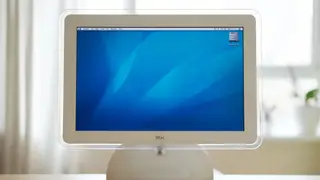
Apple is expected to launch its first smart display, codenamed HomePad, at an October 13 event, featuring a 6-inch square display with a design inspired by the iconic iMac G4. The device will support multi-user household functionality with voice recognition, smart home control, and FaceTime capabilities. A larger 9-inch version with an automated robotic arm is also in development, potentially offering more compelling features than current competitors like Google Nest Hub Max.
Apple's entry into the smart display market represents a significant shift for the company, which has previously focused on smaller HomePod speakers. The delayed development has been attributed to refinements needed in Siri's artificial intelligence capabilities, suggesting Apple prioritized software functionality over speed to market. The device's design philosophy draws from Apple's celebrated industrial design heritage, incorporating elements from the iMac G4's distinctive aesthetic.
The multi-user capability with voice recognition appears to address a key household challenge—enabling family members to receive personalized information, access their own calendars and messages, and maintain separate digital environments on a shared physical device. This feature could differentiate Apple's offering from existing competitors currently on the market.
Apple's smart display entry could reshape the competitive landscape in home technology, potentially influencing how households with Apple ecosystems manage daily tasks and family communication. The robotic arm variant may establish new expectations for smart display functionality, possibly prompting competitor innovation. Consumers invested in either Apple or Google ecosystems face potential switching considerations, while the broader market may benefit from increased competition spurring feature development. The success of these devices could also influence how manufacturers approach voice recognition for household personalization.