Guyana Bans Suriname Fruit to Protect Domestic Farmers
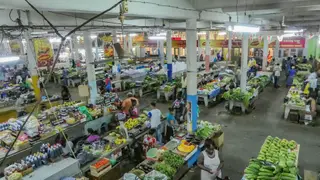
Guyana's agriculture minister announced on September 30 that banana imports from neighboring Suriname would be halted, claiming local farmers produce sufficient quantities for the domestic market. The ban targets informal cross-border trade rather than recorded commercial exports, as official statistics showed no bananas were being imported from Suriname previously. The decision could affect informal traders along the Corentyne River border between the two nations.
Guyana's agriculture minister characterized the ban as application of an existing policy framework rather than introducing new trade restrictions. According to the minister, whenever domestic production of any agricultural commodity satisfies local market needs, outside shipments of that product should cease. This approach theoretically functions bidirectionally: it protects Guyanese producers during periods of adequate supply while potentially allowing resumed importation if harvests prove insufficient to meet consumer demand.
The Corentyne River forms the natural boundary between these two nations and serves as the primary conduit for cross-border commerce. Much economic activity along this waterway operates outside formal customs channels, with small vessels and ferry services moving goods between communities. Consequently, the true volume of trade—particularly informal produce transactions—remains largely invisible to official government statistics and trade records.
The ban may impact small-scale traders and farming communities on both sides of the Corentyne River who depend on informal cross-border commerce for income. Surinamese growers could lose access to a market outlet, while Guyanese consumers might experience price or availability changes depending on domestic production levels. The lack of published enforcement mechanisms or official notices as of October 1 raises questions about implementation effectiveness and whether neighboring Suriname's government might pursue diplomatic or retaliatory responses to protect its agricultural interests.