Autonomous Racing Accidents Reveal Limits of Self-Driving Technology at High Speeds
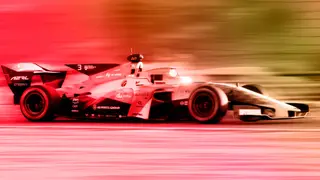
During an autonomous racing event in Italy, two driverless vehicles crashed at 155 mph while navigating a challenging Formula 1 circuit, highlighting gaps between autonomous system capabilities and real-world demands. Only two of five cars completed the race at Imola's notoriously difficult Rivazza corners, demonstrating vulnerabilities in perception and reaction systems. The Abu Dhabi Autonomous Racing League intentionally selected an unforgiving track to test the boundaries of autonomous technology development.
The Abu Dhabi Autonomous Racing League deliberately selected Imola's challenging Rivazza corner sequence—a section that has proven difficult even for elite human Formula 1 drivers—to stress-test autonomous vehicle systems. Teams received minimal preparation time before the competition, facing unpredictable weather conditions including rain and hail during their nine-day testing window, adding another layer of complexity to the experimental environment.
The crash itself revealed critical vulnerabilities in how autonomous systems handle sensor degradation at high speeds. When Unimore's vehicle lost simultaneous lidar and radar functionality, its GPS-only backup proved insufficient for safe high-speed navigation, forcing an emergency stop. PoliMove's car, unable to avoid the stationary vehicle ahead, collided before its control systems could execute evasive action—demonstrating the compressed reaction timelines racing environments create for autonomous decision-making.
This incident may inform autonomous vehicle safety protocols for real-world deployment, as the controlled failure modes observed in racing can reveal weaknesses in sensor redundancy and failsafe mechanisms. Insurers, regulators, and autonomous vehicle developers could use such high-speed testing data to refine safety standards. Conversely, high-profile crashes might influence public perception of self-driving technology adoption timelines, potentially affecting consumer confidence and regulatory approval processes for autonomous vehicles in standard traffic environments.