Donated Placental Membranes Accelerate Post-Surgical Nerve Recovery
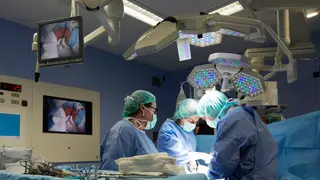
A decade-long clinical review of over 2,500 prostate cancer surgeries demonstrates that wrapping delicate cavernous nerves with dried amniotic membrane from donated placentas significantly speeds erectile function recovery. The amniotic membrane contains growth factors and proteins that promote healing, reducing the typical recovery time from two weeks to approximately one week after surgery. This approach, developed by surgeons at HCA Florida Kendall Hospital, represents a novel application of donated biological materials to improve surgical outcomes.
The innovation emerged from a casual conversation between surgeons at a Miami hospital, where urologists learned that their neurosurgery colleagues were experimenting with placental tissue to enhance nerve repair. Hospitals now source amniotic membrane—the innermost layer of donated placentas—which is harvested after cesarean deliveries, then processed through drying and sterilization before being cut into standardized sheets for clinical use. The material's biological composition makes it theoretically valuable for wound healing applications across multiple surgical specialties.
During nerve-sparing prostatectomy procedures, surgeons face an inherent challenge: even meticulous surgical technique inevitably causes some nerve damage through stretching and heat exposure from instruments, triggering local inflammation. The amniotic membrane sheets appear to mitigate this trauma, though researchers acknowledge an important safety consideration—the growth factors that promote healing could theoretically accelerate cancer growth, a concern that required careful monitoring throughout the study.
This finding could meaningfully affect quality of life for prostate cancer patients by shortening the period of post-surgical erectile dysfunction, a common and psychologically burdensome side effect. If validated through prospective studies, the technique might become standard in nerve-sparing prostate surgery, increasing demand for placental donations and creating new tissue banking infrastructure. The approach also demonstrates potential broader applications in other surgical specialties seeking to optimize nerve recovery, though long-term safety data in cancer contexts remains limited.