Rising Temperatures Will Transform the Post-Rain Scent We Know
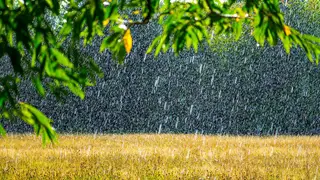
The distinctive earthy smell that follows rain—petrichor—results from geosmin, a compound produced by soil bacteria and released into the air by raindrops hitting dry ground and plants. As climate change alters global rainfall patterns, the prevalence of petrichor will shift regionally: areas experiencing increased precipitation will detect it less frequently, while drought-prone regions will experience it more often. The scent's transformation illustrates how environmental shifts from rising temperatures will affect even sensory experiences tied to Earth's ecology.
Geosmin production follows a biological logic rooted in microbial survival. Soil bacteria generate this compound as a defensive mechanism against insects seeking to consume the organic matter where these microorganisms live. The extreme sensitivity of human olfaction to geosmin—detectable at concentrations as minimal as a single drop dispersed throughout an Olympic swimming pool—suggests an evolutionary connection, though researchers continue investigating the precise historical reasons for this heightened perception.
The mechanics of petrichor release depend on specific weather conditions. When rain strikes parched soil and vegetation, the impact generates microscopic air bubbles containing geosmin and plant oils. These bubbles rise, burst, and disperse into airborne particles. However, intense rainfall events characteristic of warming climates can overwhelm this delicate process, forcing compounds downward into soil or dispersal through floodwaters rather than into the atmosphere where humans detect them.
Climate-driven shifts in petrichor prevalence may influence pest populations and agricultural conditions across regions. Increased geosmin in drought-affected areas could alter mosquito behavior and reproduction patterns, potentially affecting public health concerns. Conversely, regions receiving more frequent rainfall might experience ecological adjustments as insects lose olfactory cues signaling suitable breeding environments. These sensory and ecological changes could reshape landscape management practices and environmental monitoring approaches, though the broader consequences remain subjects for ongoing scientific study.