Aaeon Launches Fanless Mini PC With Ultrasonic Cooling for Industrial Applications
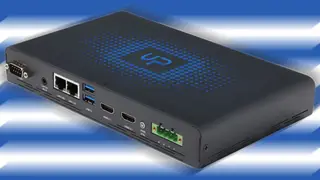
Aaeon has introduced the Up Xtreme PTL Edge Air, a fanless mini PC equipped with Intel's latest Core Ultra X7 358H processor and Frore's AirJet ultrasonic membrane cooling technology. The device operates at less than 21 decibels and is 35% thinner and 43% lighter than traditional fan-cooled alternatives, making it ideal for space-constrained industrial settings. The system is designed for embedded applications including kiosk setups, autonomous mobile robot housing, and mobile healthcare units.
The Up Xtreme PTL Edge Air represents a significant engineering tradeoff in pursuit of industrial practicality. By adopting Frore's ultrasonic membrane cooling instead of traditional fans, Aaeon achieved a notably quieter device operating below 21 decibels while reducing physical dimensions and weight substantially. However, these gains come with measurable costs: the system consumes approximately 6% more power and operates within a narrower temperature band of -10°C to 45°C compared to conventional cooling approaches.
The device targets specialized embedded applications where traditional mini PCs prove impractical due to space limitations or noise sensitivity. Its industrial-grade I/O—including dual COM ports and 40-pin GPIO connectors—distinguishes it from consumer systems, enabling integration into equipment ranging from autonomous mobile robots to healthcare monitoring stations. Support for simultaneous multi-display configurations further positions it for complex control and monitoring scenarios.
This launch may accelerate adoption of solid-state cooling in industrial and embedded sectors where operational constraints previously required mechanical fans. Organizations managing sensitive healthcare or retail environments could benefit from substantially quieter computing solutions. The efficiency tradeoffs could influence purchasing decisions for applications where power consumption or thermal limitations are critical. Broader market adoption of AirJet technology might drive innovation in fanless system design across embedded computing, though availability and cost remain significant factors in real-world deployment.