Tick Bomb Events: When Hundreds of Larvae Attack at Once
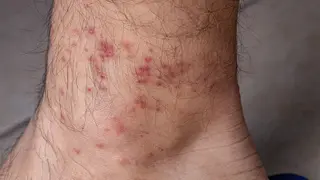
A "tick bomb" occurs when someone steps on a nest of larval-stage lone star ticks, causing hundreds or thousands to bite simultaneously. While the larvae are too small to transmit bacterial diseases without a prior blood meal, they can potentially transmit viruses like Bourbon virus and Heartland virus, and carry proteins that trigger alpha-gal syndrome, a red meat allergy. As climate change expands the lone star tick's range northward, clinicians in new regions may increasingly encounter patients with tick bomb-related injuries.
Lone star tick larvae possess a remarkable reproductive strategy that creates the conditions for sudden mass exposure events. Female ticks produce clutches containing 1,000 to 2,000 eggs in concentrated areas, meaning accidental contact with a nesting site can result in simultaneous attachment by hundreds of parasites. While the larvae themselves cannot transmit most bacterial pathogens—lacking prior blood meals necessary to harbor such infections—evidence suggests vertical transmission of certain viruses from mothers to offspring may occur, though infection rates remain extremely low.
The alpha-gal syndrome risk represents a more significant public health concern. This emerging red meat allergy has been linked to exposure to unfed larval lone star ticks, and prevalence rates are climbing as the species expands northward due to warming temperatures. Geographic shifts in tick distribution could reshape where clinicians encounter these cases, potentially creating diagnostic challenges in regions with limited prior exposure to tick bomb incidents.
As lone star ticks expand their geographic range through climate-driven environmental changes, healthcare systems in previously unaffected regions may face increased clinical encounters with tick bomb injuries and associated alpha-gal syndrome cases. This could place new diagnostic and treatment demands on practitioners unfamiliar with these conditions. Public awareness campaigns about tick avoidance and recognition of tick bomb symptoms may become increasingly important, particularly as outdoor recreation and environmental exposure patterns continue in affected areas.