ANYbotics Launches Shift Platform to Automate Industrial Inspections and Predictive Maintenance
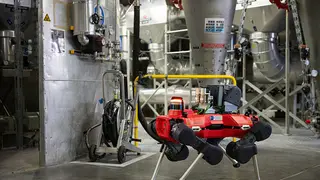
ANYbotics introduced Shift, a cloud-based platform that coordinates fleets of quadruped inspection robots and transforms field data into actionable maintenance work orders. The platform integrates fleet scheduling, multi-sensor analytics combining thermal and acoustic readings with operating conditions, and direct connectors to operations software to prevent unplanned downtime. ANYbotics estimates that undetected equipment failures cost large corporations $1.4 trillion annually, with Shift designed to enable proactive maintenance across energy, mining, and chemical industries.
ANYbotics' new platform addresses a critical challenge in industrial operations: the massive economic burden of unexpected equipment failures. By automating routine inspections through quadruped robots and intelligently analyzing sensor data in context—rather than treating isolated readings as independent signals—the Shift platform reduces false alarms while catching genuine problems early. The system's architecture directly connects field observations to existing corporate maintenance workflows, eliminating manual handoffs that traditionally delay corrective action.
The platform's modular design reveals ANYbotics' strategy for enterprise adoption. Rather than requiring customers to replace their current asset management tools, Shift integrates with established systems from major vendors including Yokogawa, SAP, and GE. This compatibility approach, combined with automated work order generation, significantly lowers implementation barriers for industrial facilities already managing complex operational infrastructures.
Shift could meaningfully impact industrial workforce dynamics and safety outcomes. By reducing manual inspection duties in hazardous environments—energy plants, chemical facilities, and mines—the platform may decrease worker exposure to dangerous conditions while reallocating human expertise toward higher-level maintenance decision-making. However, the platform's effectiveness depends on adoption rates and proper integration with legacy systems, which may vary significantly across industrial sectors. The potential to prevent billions in annual downtime could reshape maintenance department structures and priorities across large industrial corporations globally.