Fabric-Covered Walls Create Tactile Luxury That Wallpaper Cannot Replicate
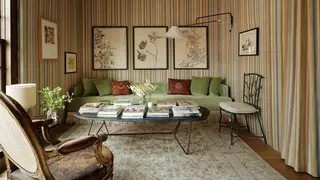
A designer showcased at the prestigious Kips Bay Decorator Showhouse chose to upholster bedroom walls with linen fabric instead of applying wallpaper, creating a softer, more enveloping aesthetic. The fabric treatment adds subtle texture and dimension through its padded nature while inviting tactile interaction in a way flat wallpaper cannot achieve. This emerging trend demonstrates how textile wall coverings offer a fresh alternative to traditional paper solutions for creating sophisticated, sensory-rich interiors.
The Kips Bay Decorator Showhouse, an annual New York exhibition, has emerged as an influential bellwether for residential design directions. Designer Peter Dunham's choice to cover bedroom walls entirely with linen fabric rather than paper demonstrates how textile professionals are reimagining interior surfaces. His selection of a gold and sage striped pattern created a three-dimensional effect impossible with traditional wallpaper, while upholstery-specific details like double self welts provided refined finishing touches typically reserved for furniture.
The sensory dimension of fabric walls extends beyond visual appeal. The padded construction produces subtle dimensional variation across the surface, inviting physical interaction and creating an immersive quality that envelops occupants. This tactile component—the organic weave visible and touchable—represents a fundamental departure from flat wall coverings, opening possibilities for designers seeking to engage multiple senses in residential spaces.
This trend could influence design decisions across residential and commercial markets, particularly among homeowners seeking distinctive interiors willing to invest in premium materials. The shift from wallpaper toward textile solutions may affect purchasing patterns in both fabric and wallpaper industries. However, the approach requires professional installation skills and may carry higher costs, potentially limiting accessibility to broader audiences. The trend's staying power depends on whether practical concerns—durability, cleanability, maintenance—prove manageable for everyday living spaces beyond showcase environments.