Trump-Backed Drone Manufacturer Powerus Completes Public Market Entry
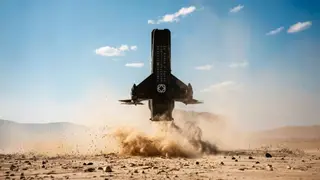
Powerus, a U.S. drone company with backing from Donald Trump Jr. and Eric Trump, became publicly traded after completing a merger with a subsidiary of Aureus Greenway Holdings. The company, founded in 2025 to commercialize Ukrainian drone technology, has already secured significant Pentagon contracts including a $2.5 million order for 1,500 first-person view drones and an up-to-$90 million Air Force contract for its Guardian-2 counter-drone system. Powerus has also expanded internationally with procurement orders from Pakistan and production partnerships in the United Arab Emirates.
Powerus emerged in late 2025 with a specific mission: transferring unmanned aerial vehicle technology refined through combat use in Ukraine into American defense applications. The company's rapid progression from founding to public markets reflects strong Pentagon demand for drone systems, particularly for close-range surveillance and tactical operations. The $2.5 million initial order for first-person view drones indicates immediate operational needs within the Defense Department.
The Guardian-2 contract represents a more substantial long-term opportunity, with potential maximum value reaching $90 million depending on Air Force procurement decisions. Beyond domestic sales, Powerus is pursuing a dual-track strategy: establishing manufacturing partnerships abroad while filling foreign government orders, suggesting confidence in both product capability and market demand across multiple regions.
The company's market entry could accelerate domestic production of drone technologies currently validated in active conflicts, potentially strengthening U.S. counter-drone capabilities. However, the arrangement raises questions about defense contracting processes when Trump-affiliated entities gain significant Pentagon contracts—investors and policymakers may scrutinize whether procurement decisions reflect capability assessments or other factors. International production partnerships in the UAE could affect supply chain sovereignty and technology control considerations that defense officials typically weigh carefully.