Pentagon Awards Contract for Space-Based Solar Power Demonstration Technology
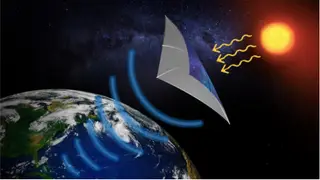
The Pentagon's Operational Energy Capability Improvement Fund has contracted Virginia-based Overview Energy to design and test a homing beacon system for delivering solar energy from space to Earth-based receivers. The beacon technology enables precise power transmission while preventing signal spoofing and unauthorized access, addressing military needs for reliable power in remote and contested areas. This represents one of several Defense Department initiatives advancing space-based solar power after decades of limited progress on the futuristic technology.
Overview Energy's contract focuses on a critical safety and operational component: the ground-based beacon that allows orbiting satellites to identify and authenticate their intended power-receiving targets. This authentication mechanism serves a dual purpose—it enables precise energy transmission to designated locations while simultaneously blocking potential adversaries from intercepting or redirecting the power beam. The underlying technology converts solar radiation into near-infrared wavelengths suitable for safe atmospheric transmission.
The Pentagon's investment reflects a shift in momentum for space-based solar concepts after decades of minimal progress. The Defense Department views this capability as addressing a genuine military challenge: establishing reliable power infrastructure in remote regions or areas where conventional supply lines are vulnerable. Multiple Pentagon initiatives now pursue related aspects of the technology, suggesting institutional commitment to developing this energy alternative.
This contract could influence military logistics and operational flexibility by reducing dependence on ground-based fuel supply chains in austere locations. Broader adoption might affect space infrastructure development, orbital debris considerations, and international space governance questions around power transmission systems. The technology may also influence civilian energy discussions, though significant technical and economic hurdles remain before widespread implementation becomes feasible.