Payment Platforms Embed Cryptocurrency Purchasing Via Third-Party Integration Partners
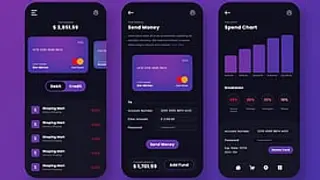
Payment applications and fintech platforms increasingly partner with specialized third-party providers to offer cryptocurrency purchasing without building complete exchange infrastructure internally. These on-ramp providers handle identity verification, payment processing, and blockchain settlement while allowing users to complete transactions within the original application through API or SDK integration. Major providers like MoonPay and Transak serve hundreds of apps across dozens of countries and support multiple payment methods including cards, bank transfers, and mobile payment options.
Third-party crypto on-ramp providers have become infrastructure intermediaries, allowing mainstream financial applications to offer digital asset purchasing without developing full exchange capabilities. Companies like MoonPay and Transak have built networks spanning hundreds of partner apps and dozens of countries, supporting traditional payment methods from credit cards to bank transfers to mobile wallets. This model enables seamless user experiences where crypto transactions occur within familiar app interfaces.
The specialization model transfers technical and regulatory burden to dedicated providers. These intermediaries manage identity verification, fraud detection, sanctions screening, and blockchain settlement—responsibilities that would otherwise require individual apps to build substantial compliance and technology infrastructure. However, this arrangement creates a chain where users interact with one interface while actual transaction processing, custody decisions, and regulatory responsibility may rest with separate entities.
This trend could lower barriers to cryptocurrency adoption by integrating purchases into everyday payment applications, potentially reaching consumers who might not independently seek out crypto exchanges. However, it may also obscure custody and security considerations for less sophisticated users who trust their existing app providers. The embedding of crypto in familiar financial products raises questions about adequate disclosure of fees, provider accountability, and whether seamless accessibility encourages informed decision-making or masking of underlying complexity and risk.