NASA highlights eerie cosmic objects perfect for October stargazing
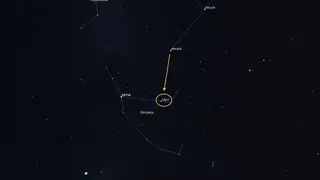
NASA has drawn attention to two celestial objects with Halloween-themed appearances visible in the autumn sky: Algol, a triple-star system in Perseus that dims periodically and was historically associated with evil, and the Witch Head Nebula, a distant gas cloud whose reflection resembles a witch's profile. Algol's brightness varies every three days due to eclipsing binary stars orbiting a central companion, a phenomenon documented by astronomers for centuries. The Witch Head Nebula lies about 900 light-years away and includes an additional formation called the Witch's Broom.
NASA's October astronomy guide features celestial phenomena with distinctly eerie characteristics. Algol represents a scientifically significant triple-star system whose periodic dimming—occurring every three days—results from eclipsing binary stars blocking light from a central companion. This astronomical feature, documented since the 17th century, demonstrates how ancient mythological associations with evil aligned with observable celestial mechanics that early astronomers found mysterious.
The Witch Head Nebula showcases how cosmic dust clouds can resemble terrestrial objects when viewed from Earth. Located roughly 900 light-years away, this gas cloud's distinctive silhouette becomes visible through specialized infrared imaging and telescopic observation. The nebula serves as an example of stellar nurseries where new stars form within billowing clouds, a common phenomenon across the universe.
This story could engage public interest in astronomy during peak stargazing season, potentially inspiring amateur observers to invest in telescopes or visit dark-sky locations. NASA's seasonal framing may increase engagement with space science content among audiences who might otherwise overlook astronomical topics. However, the accessibility challenges—Algol requires clear viewing conditions while the Witch Head Nebula demands specialized equipment—may limit actual observation participation, potentially creating a gap between interest generated and practical engagement opportunities for casual observers.